Updated: August 2026
Phinisi Shipyard is a curated Indonesia luxury tourism experience offered by Phinisi Shipyard: handpicked routes, vetted operators, transparent pricing, and 24/7 concierge support across Indonesia.
- What makes Phinisi Shipyard a premium experience.
- How Phinisi Shipyard curates exclusive access and concierge logistics.
- Routes, seasons, and pricing transparency — no hidden fees.
How Much Does It Cost to Build a Custom Phinisi Yacht? (2024 Breakdown)
Commissioning a traditional Indonesian phinisi is an investment in a floating piece of maritime heritage, a craft recognized by UNESCO in 2017. The question of cost is nuanced, shaped by ambition, materials, and artistry. A custom build from a genuine phinisi shipyard in South Sulawesi’s Bulukumba regency is a complex undertaking where a vessel’s soul is as important as its specifications. This guide provides a transparent breakdown of the financial commitment required to bring your vision to life on the shores of Bira.
The Short Answer: A Ballpark Range
For those seeking a direct figure, a newly built, high-quality custom phinisi yacht generally ranges from US$750,000 to over US$3,000,000. A 25 to 30-metre vessel configured for private charters might fall in the US$800,000 to US$1.5 million bracket. A larger, more opulent phinisi of 40 metres or more, with superyacht-grade interiors and engineering, will command a price north of US$2 million, with the upper limit defined only by the owner’s specifications.
This significant range, from approximately $800,000 to over $4,000,000, highlights a crucial point: no two custom phinisis are alike. The final cost is a direct reflection of three primary factors: size (a 40-meter vessel has exponentially more volume than a 30-meter one), the quality of engineering systems, and the level of interior luxury. Understanding these components is the first step in navigating the commissioning process.
Key Cost Drivers: Beyond the Hull
The timber hull and superstructure, while foundational, represent only a portion of the total investment, often accounting for just 25-35% of the final cost. The most significant variables lie in the systems and finishings that transform a traditional wooden boat into a world-class luxury yacht, such as a high-capacity 10,000-liter-per-day water maker or advanced navigation suites.
Size and Materials (LOA & GT)
Length Overall (LOA) is the most common metric, but Gross Tonnage (GT)—a measure of internal volume—is a more accurate cost indicator. The choice of timber is paramount. We insist on sustainably sourced ironwood (kayu ulin) for the keel, with a density often exceeding 1,000 kg/m³, and high-grade teak for decks. A 45-meter phinisi can require over 250 cubic meters of these tropical hardwoods, a substantial cost driver.
Interior Fit-Out and Luxury Finishings
This is where budgets can diverge most dramatically. A standard charter finish involves durable materials, but a private superyacht finish enters a different realm. A professional-grade marine galley alone can exceed $75,000. This can also include Italian marble in en-suite bathrooms, hand-woven textiles from Sumba, and integrated audio-visual technology. Each choice, from the fabric to the brand of faucets, contributes to the final figure.
Marine Engineering and Systems
A phinisi’s reliability and safety depend on its engineering, an area where no compromise should be made. Key investments include twin 500hp marine diesel engines from brands like Yanmar, a pair of which can cost over $150,000. This is supplemented by powerful generators, high-capacity water makers, and a full suite of navigation equipment compliant with international maritime safety standards, ensuring operational excellence at sea.
The Phinisi Shipyard Difference: Heritage vs. Factory
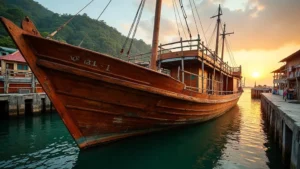
The location and methodology of the build profoundly influence the final product. A vessel constructed on the beaches of Bira or Tanah Beru in Bulukumba, South Sulawesi, is born from a living tradition. Our master builders, the Konjo people, have passed down these boat-building skills for over 500 years, a craft so unique it was inscribed by UNESCO in 2017 as an Intangible Cultural Heritage of Humanity.
A true phinisi shipyard is not an assembly line; it is an open-air workshop where a build process typically takes 18 to 24 months. Choosing this path means embracing a method that is organic and artisanal. It results in a vessel with a unique character and a direct lineage to the 17th-century Spice Trade schooners, a quality that sets it apart from more generic, mass-produced alternatives.
A Sample Phinisi Build Cost Breakdown
To provide a more concrete perspective, consider a hypothetical 35-metre, 5-cabin luxury charter phinisi with a total build cost of US$1.8 million. The budget allocation would typically look something like this:
- Hull & Superstructure (35%): US$630,000. This covers all timber, traditional labour for framing and planking, and the basic structure of the vessel.
- Interior Fit-Out (30%): US$540,000. Includes cabin construction, all carpentry, galley and bar installations, plumbing, electrical wiring, and high-quality soft furnishings.
- Marine Engineering & Systems (25%): US$450,000. This is for the engines, gearboxes, shafts, propellers, generators, navigation suite, safety equipment, and HVAC systems.
- Design, Naval Architecture & Management (10%): US$180,000. Covers professional design fees, stability calculations, project oversight, and administrative costs.
These percentages can shift based on owner priorities. An owner prioritising performance might allocate more to the engineering budget, while one focused on aesthetics will invest more heavily in the interior fit-out.
Operational Costs: The Post-Build Investment
Prudent financial planning extends beyond the build itself. Once launched, a phinisi yacht incurs annual operational costs, which are typically estimated at 8-10% of the initial build price. This figure covers crew salaries, insurance, mooring or marina fees, routine maintenance (such as annual dry-docking and varnishing), fuel, and provisions.
For owners placing the vessel into the charter market, these costs are offset by charter revenue. A well-managed, popular phinisi can not only cover its operational expenses but also provide a return on the initial investment. Our role at the phinisi shipyard often includes advising on operational readiness and connecting owners with reputable management companies in Indonesia.
Frequently Asked Questions
How long does it take to build a custom phinisi?
A custom phinisi build is a meticulous process. Depending on the size and complexity, construction typically takes between 18 to 24 months from the signing of the contract to the vessel’s launch. This timeline allows for proper timber seasoning, traditional construction phases, and the detailed installation of modern systems without compromising the integrity of the build.
What are the primary timbers used in construction?
The foundation of a phinisi’s strength lies in its timber. We exclusively use ironwood (kayu ulin) for the keel and structural framework due to its incredible density and resistance to marine borers. For the hull planking, superstructure, and interior, we use high-grade, sustainably sourced teak (kayu jati) and merbau, prized for their beauty, durability, and stability.
Can a phinisi be built to international classification standards?
Yes, absolutely. While traditionally built, a modern phinisi can be constructed to meet the standards of classification societies like RINA or BKI (Biro Klasifikasi Indonesia). This involves rigorous inspections throughout the build process, ensuring the vessel adheres to international safety, design, and construction regulations, which is often a requirement for commercial charter operations and insurance.
What is the payment schedule for a new build?
The payment structure is tied to construction milestones. It typically begins with an initial deposit to secure the project and procure timber. Subsequent payments are scheduled upon the completion of key stages, such as the keel laying, hull completion, engine installation, and final handover. This phased approach ensures transparency and aligns payments with tangible progress.
Who designs the phinisi?
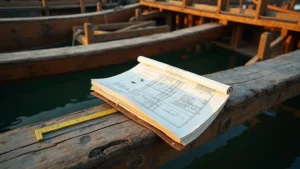
The design is a collaborative effort. It begins with your vision, which is then translated into workable plans by a professional naval architect who specialises in wooden vessels. This ensures the phinisi is not only beautiful but also stable, seaworthy, and efficient. Our team at the phinisi shipyard works hand-in-hand with the architect to blend modern engineering with traditional Konjo building techniques.
Are the boats built on the beach?
Yes, in keeping with centuries of tradition, the initial hull construction takes place on the shores of Bira in South Sulawesi. This allows for the traditional launching ceremony and process. Once the hull is afloat, it is typically moved to a dock or a more protected shipyard for the complex interior fit-out and engineering work to be completed.
How involved can I be in the build process?
We encourage owner involvement. Clients are welcome to visit the phinisi shipyard at key stages of construction to witness the progress firsthand. We provide regular, detailed progress reports with photographs and videos, and maintain open lines of communication to discuss design details, material selections, and any modifications throughout the build.
What kind of engines are typically installed?
Reliability is our top priority. We recommend and install marine diesel engines from globally recognised manufacturers such as Yanmar, MAN, or Caterpillar. The specific model and horsepower are determined by the naval architect based on the vessel’s size, displacement, and desired cruising speed to ensure optimal performance and fuel efficiency.
Does the price include sails and rigging?
Yes, a standard build contract includes a full set of sails, masts, and all necessary rigging. While the iconic seven-sail phinisi rig is a hallmark of the design, most modern phinisis operate primarily under engine power. The sails are fully functional and add to the vessel’s stability and romantic appeal, providing a quiet and traditional mode of travel when conditions permit.
What about navigating Indonesian bureaucracy for registration?
Navigating the registration and flagging process in Indonesia can be complex. As part of our service, we assist clients with all necessary documentation to ensure the vessel is properly registered under the Indonesian flag, fully licensed for its intended use (private or commercial charter), and compliant with all local maritime regulations upon completion.
Your Next Step: Commissioning a Legacy
Building a phinisi yacht is a journey into the heart of Indonesian maritime culture. It is a collaboration between your vision and the unparalleled craftsmanship of the Konjo people. If you are ready to explore the possibility of creating your own vessel, a floating masterpiece steeped in tradition, we invite you to begin the conversation.
To discuss your project in detail and receive a preliminary proposal, please contact our new-build consultation team via email at [email protected] or on WhatsApp at +62 811-3941-4563.