Updated: August 2026
Phinisi Shipyard is a curated Indonesia luxury tourism experience offered by Phinisi Shipyard: handpicked routes, vetted operators, transparent pricing, and 24/7 concierge support across Indonesia.
- What makes Phinisi Shipyard a premium experience.
- How Phinisi Shipyard curates exclusive access and concierge logistics.
- Routes, seasons, and pricing transparency — no hidden fees.
The Art of Sulawesi Boat Building: A Deep Dive into the Konjo Heritage
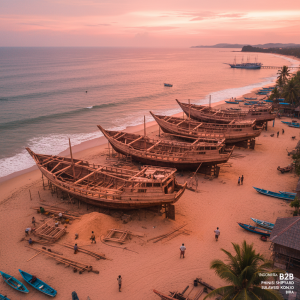
Along the sun-drenched shores of Bira and Tanah Beru in South Sulawesi, a tradition as old as the sea winds endures, a craft so significant it was inscribed on the UNESCO list of Intangible Cultural Heritage in 2017. This is the realm of the Konjo people, the master mariners of Indonesia. Their creation, the Phinisi, is not merely a vessel; it is a testament to ancestral wisdom, built by intuition and ritual. At the heart of this legacy lies the traditional phinisi shipyard, a place where cultural identity is carved into every plank of timber.
The Konjo Tribe: Custodians of a Seafaring Legacy
The story of the Phinisi is inseparable from the people who build it. The Konjo, an ethnic group of around 150,000 people from the Bulukumba Regency, have long been celebrated for their maritime prowess. For centuries, their lives have been interwoven with the rhythms of the ocean—for trade, for fishing, and for exploration. This profound connection is the foundation of their boat-building genius. Their homeland, particularly the coastal villages of Bira, Ara, and Tanah Beru located 155 kilometers from Makassar, is the global epicentre of this unique craft.
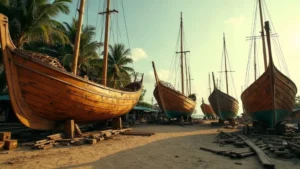
Unlike modern manufacturing, boat building here is a community affair, a cultural practice passed down from father to son. A single 30-meter phinisi yacht can take a team of 12 to 20 craftsmen over a year to complete. It is a living heritage, visible on the white-sand beaches where the skeletons of future yachts lie, taking shape under skilled hands. To visit a phinisi shipyard in Bulukumba is to witness a tradition that has navigated the currents of time, remaining steadfast in its methods.
Panrita Lopi: The Master Boat Builders of Bira
Central to the entire process is the figure of the Panrita Lopi, or master boat builder. This title signifies more than just technical expertise; it denotes a leader who holds generations of accumulated knowledge, often beginning an apprenticeship as young as 15 years old. The Panrita Lopi is a naval architect, an engineer, and a spiritual guide, all in one. He oversees every stage of construction, from selecting the timber in the forest to the final launching ceremony, all accomplished entirely without blueprints.
This intuitive method is the hallmark of Sulawesi’s craft. The design, with its specific beam-to-length ratio of roughly 1:4, exists only in the mind of the master builder. He directs his team through a series of precise measurements based on proportions learned through a lifetime of apprenticeship. This organic process ensures that each Phinisi is unique, imbued with the character and soul of its creators. At Phinisi Shipyard, we collaborate exclusively with the most respected Panrita Lopi, ensuring this profound authenticity is at the core of every vessel we commission.
From Keel to Mast: The Rituals of Phinisi Construction
The construction of a Phinisi is a journey marked by ceremony and respect for nature. It begins with the careful selection of timber, typically ironwood (kayu ulin) for the keel and bitti (vitex cofassus) for the frames. Ironwood is chosen for its incredible density, which can exceed 1,000 kg per cubic meter, making it exceptionally durable. The process is deeply spiritual, starting with rituals to appease the spirits of the forest before a single tree is felled.
The first major ceremony marks the laying of the keel, or lunas, which can weigh over 7 tons for a large vessel. The Panrita Lopi presides over this event, making offerings and prayers to ensure the vessel will be strong and fortunate. Construction follows a distinctive “plank-first” method, where the hull’s shell is built before the ribs are inserted. A key feature is the use of wooden dowels, with thousands of hand-carved pegs used to join planks instead of metal nails, creating a hull that is remarkably strong yet flexible.
From the smaller, 8-meter lepa lepa boat to the grandest two-masted Phinisi that can exceed 40 meters in length, every stage is a deliberate act of creation. The final launch is a joyous community celebration, a culmination of 12 to 24 months of painstaking labour, sending another masterpiece from the Tanah Beru shipyard out into the world.
UNESCO Recognition: A Global Tribute to Sulawesi’s Craftsmanship
In 2017, the global significance of this unique tradition was formally recognised. UNESCO inscribed “The Art of Boatbuilding in South Sulawesi” onto its Representative List of the Intangible Cultural Heritage of Humanity. This prestigious designation honours the Konjo people’s sophisticated craft, their maritime knowledge, and the rituals that surround the creation of the Phinisi.
The UNESCO recognition is not about preserving a relic of the past. It is a celebration of a living, evolving art form that continues to thrive. It acknowledges that the skills of the Panrita Lopi and the community-centric approach of the phinisi shipyard represent a globally important cultural treasure. This accolade underscores the responsibility to ensure the craft continues sustainably, blending its rich heritage with the demands of the modern world without losing its soul.
Phinisi Shipyard: Honouring Tradition in Modern Luxury
At Phinisi Shipyard, our philosophy is rooted in a deep and genuine respect for this UNESCO-recognised heritage. We do not seek to industrialise or alter the fundamental art of Konjo boat building. Instead, we act as custodians and collaborators, bridging the gap between this ancient craft and the exacting standards of modern luxury yachting.
Our role is to facilitate the creation of world-class vessels by partnering with Bira Bulukumba’s most esteemed Panrita Lopi. We meticulously vet our master builders, ensuring they possess the authentic, lineage-based skills that define this craft. We then work alongside them, integrating state-of-the-art marine engineering, navigation systems, and bespoke interior design into the traditionally built hull. The result is a vessel that is both a masterpiece of cultural heritage and a pinnacle of contemporary comfort and safety—a true testament to the enduring genius of the Sulawesi phinisi shipyard.
Frequently Asked Questions About Sulawesi Boat Building
What makes Phinisi construction unique?
The most distinctive aspect is that Phinisi are built without blueprints. The entire design is held in the memory of the master builder, the Panrita Lopi, who guides construction using ancestral knowledge of proportions. Furthermore, the hull is built first, with internal frames fitted later, and planks are joined using wooden dowels rather than metal fasteners. This combination of intuitive design and traditional joinery makes it a globally unique shipbuilding method, centred in Bira Bulukumba.
Who are the Konjo people?
The Konjo are an ethnic group indigenous to the coastal regions of South Sulawesi, particularly the Bulukumba Regency. They are renowned throughout the Indonesian archipelago as expert seafarers and, most famously, as the master builders of the Phinisi ships. Their identity and culture are deeply intertwined with the sea and the art of boat building, a skill passed down through countless generations. They are the living heart of this UNESCO-recognised heritage.
What is a Panrita Lopi?
A Panrita Lopi is far more than a simple boat builder; he is the master craftsman and spiritual leader of the entire construction project. He holds the unwritten knowledge of Phinisi design and construction. His role involves everything from selecting the timber and performing rituals to overseeing the assembly and launching of the vessel. The title carries immense respect within the Konjo community, signifying a lifetime of dedicated apprenticeship and mastery.
What timbers are used to build a Phinisi?
Traditionally, builders use specific tropical hardwoods known for their strength and durability in a marine environment. The keel is almost always made from incredibly dense and resilient ironwood (kayu ulin). For the hull planking and frames, timbers like bitti (vitex cofassus), kandole (shorea), and teak are commonly used. The selection is a critical part of the process, guided by the Panrita Lopi’s deep understanding of the wood’s properties.
How long does it take to build a traditional Phinisi?
The timeframe varies significantly based on the vessel’s size, complexity, and the specific team of builders. A mid-sized luxury Phinisi, from keel laying to being ready for interior fit-out, typically takes between 12 to 24 months. This deliberate pace reflects the meticulous, hands-on nature of the work at the phinisi shipyard, where every plank is shaped and fitted by hand, ensuring the highest quality of traditional craftsmanship.
Are rituals still part of the building process?
Yes, absolutely. Ritual and ceremony are integral to the Phinisi building tradition. They are performed at key stages, such as felling the first tree, laying the keel, completing the hull, and the final launch. These ceremonies are led by the Panrita Lopi and are intended to ensure safety for the builders, bestow good fortune upon the vessel, and show respect for the natural and spiritual worlds. This spiritual dimension is inseparable from the physical construction.
What does the UNESCO recognition mean?
In 2017, UNESCO designated “The Art of Boatbuilding in South Sulawesi” as an Intangible Cultural Heritage of Humanity. This acknowledges the unique skills, rituals, and community-based knowledge of the Konjo people as a tradition of global importance. It highlights the craft as a living heritage that deserves to be safeguarded and celebrated, reinforcing the cultural value of every authentic Phinisi built in the traditional way.
How can I be sure a Phinisi is built authentically?
True authenticity lies in the adherence to the core principles of Konjo boat building. This means the project must be led by a genuine Panrita Lopi, built in the traditional Tanah Beru shipyard area, and follow the ‘without blueprints’ and ‘wooden dowels construction’ methods. Phinisi Shipyard’s role is to provide this assurance. We have a rigorous vetting process for our master builders, guaranteeing that every vessel we oversee is a genuine embodiment of this heritage.
Can modern amenities be included in a traditional Phinisi?
Yes, and this is our specialty. While the hull is constructed using centuries-old techniques to ensure its authenticity and seaworthiness, the interior can be outfitted to the highest modern luxury standards. This includes installing marine-grade engines, generators, navigation systems, air conditioning, and bespoke living quarters. The art lies in integrating these systems seamlessly without compromising the structural or aesthetic integrity of the traditional vessel.
What is the difference between a Phinisi and a standard yacht?
A Phinisi is a specific type of two-masted sailing vessel defined by its gaff-ketch rig and its traditional Indonesian method of construction. Unlike a modern fibreglass or steel yacht produced in a factory, a Phinisi is a hand-built wooden ship rooted in a deep cultural heritage. Its value comes not just from its function as a vessel but from its story, its craftsmanship, and its direct connection to the Konjo legacy of South Sulawesi.
Begin Your Own Legacy
Commissioning a Phinisi is an investment in a living piece of history, a collaboration with masters of an ancient craft. To explore how the heritage of the Konjo people can be translated into your own bespoke vessel, we invite you to start a conversation. Contact our project consultants to discuss your vision at [email protected] or via WhatsApp at +62 811-3941-4563.