Updated: August 2026
A photographic record is the least expensive protection an owner has, and most builds produce one that is useless: hundreds of pretty images and no evidence of the things that matter. A useful record is systematic — fixed positions, consistent intervals, and deliberate coverage of everything about to be concealed.
- Shoot from the same positions each visit so change is comparable rather than impressionistic.
- Photograph everything before it is covered: structure, fastenings, tanks, cable and pipe runs.
- Agree the protocol with the yard at contract stage so it becomes routine rather than surveillance.
Why most build photography fails
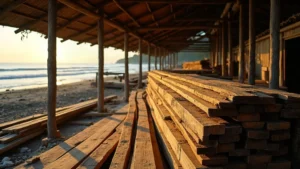
Owners typically receive a stream of attractive images: a shipwright silhouetted against the sea, a curl of shaving, a sunset over the hull. They are enjoyable and they prove nothing. When a question arises two years later about whether a specified fastening was used, or where a cable runs behind finished joinery, the archive cannot answer it.
A useful record has a different character. It is repetitive, unglamorous and complete. Its value comes from consistency: the same view, taken every fortnight, tells you more about progress than fifty artistic shots taken at random.
The fixed-position method
Establish five or six standard camera positions around the vessel and mark them physically if possible. Bow three-quarter, stern three-quarter, both beams, and one elevated view if the site allows. Every reporting cycle, the same positions are shot in the same order. The resulting sequence lets anyone see progress at a glance and makes stalled work immediately obvious.
Add a date reference in the frame — a whiteboard, or reliable camera metadata that is preserved rather than stripped. Disputes about when something happened are surprisingly common, and a date stamp resolves them without anyone having to be believed.
Concealment coverage: the part that matters most
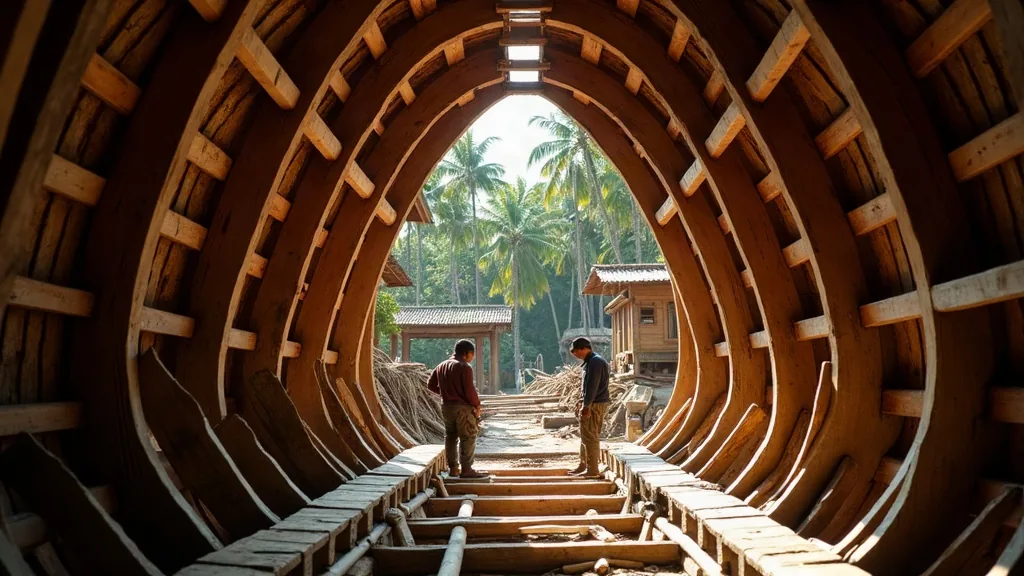
The single highest-value photography happens immediately before something is covered. Structure before planking closes over it. Fastening patterns before frames are faired. Tanks before they are boxed in. Cable and pipe runs before joinery goes on. Insulation before linings. Machinery installation before the space is closed.
Shoot these with a scale reference where dimension matters, and shoot them wide enough to locate the detail within the vessel. A close-up of a fastening with no context is almost useless; the same image with the frame position identifiable is evidence. This archive will be consulted every time someone needs to find something behind a panel for the next twenty years.
Agreeing the protocol with the yard
Introduce photography as a normal contractual deliverable rather than as a monitoring imposition. Most yards accept it readily when it is framed at contract stage, specified simply — a defined set of views at a defined interval, plus notification before concealment — and when the images are used constructively rather than as a catalogue of complaints.
Where a yard has no camera discipline, the practical answer is a site representative who takes the photographs during routine visits. It adds little to their time and it produces the record regardless of the yard’s own habits.
Storing and using the archive
Keep the images in dated folders that match the reporting cycles, backed up somewhere that is not a single phone. Cross-reference significant images to the audit findings and variation orders they relate to. At handover, the photographic archive should be part of the owner’s file alongside the as-built drawings and manuals.
The pay-off arrives in three places: during the build, when a question is settled in minutes rather than in an argument; during ownership, when someone needs to know what is behind a panel; and at resale, when a complete build record measurably increases a buyer’s confidence in a vessel whose structure they cannot inspect.
What to capture at handover
The final photographic session is the one most often skipped and most missed later. Photograph every machinery space with equipment labels legible, every electrical panel with breakers identifiable, seacock positions and their handles, tank access points, filter and pump locations, and the position of any access panel that will later be hidden by joinery. Photograph equipment plates showing model and serial numbers.
Combine that set with the concealment images taken during construction and you have something genuinely valuable: a visual manual for a vessel whose systems are otherwise learned by trial and error. Crews change, and a new engineer joining in year four will be able to locate a seacock in minutes rather than by dismantling joinery. It costs an afternoon at handover and repays itself the first time something fails at anchor.
Frequently asked questions
How often should progress photographs be taken?
Fortnightly is a good default during active construction, weekly during the structural phase when change is rapid, plus immediate coverage before any concealment. Consistency of interval matters more than frequency.
Will the yard object to detailed photography?
Rarely, if it is agreed at contract stage and handled without hostility. Yards that resist any photographic record are worth a second look, since the record protects them from unfounded claims as much as it protects the owner.
Is video better than photographs?
Video is useful for walkthroughs and for capturing sound and vibration during trials, but it is poor for comparison over time and hard to search. A structured photographic set with occasional video supplements is the more practical archive.
Related reading
Working with our build desk
If you want a documentation protocol drafted into your build contract, we can supply a standard clause set. You can reach the build desk on WhatsApp at +62 811-3941-4563 or by email at [email protected]. Construction and supervision contracts are issued by PT Komodo Galangan Nusantara; Phinisi Shipyard is a specialist maritime brand under Juara Holding Group.