Updated: August 2026
A build that starts without secured materials will stop when the supply fails, at whatever stage the hull happens to have reached. Before your keel is laid, a well-run yard should already hold the structural timber, the fastenings, the sealing materials and confirmed orders with dates for long-lead equipment.
- Structural timber should be on site, seasoned and stored properly, not “arriving next month”.
- Long-lead items — engines, generators, shafts, propellers — need confirmed orders with delivery dates.
- Ask to see the material position before the first payment; it is ordinary diligence, not distrust.
Structural timber, on site and seasoned
The timber for the keel, stem, sternpost, planking and frames should be physically present, or at minimum purchased with a confirmed delivery date, before construction starts. Seasoning takes time and cannot be compressed by good intentions. A yard that begins a build intending to buy planking as it goes is exposing your programme to timber market conditions for the next year.
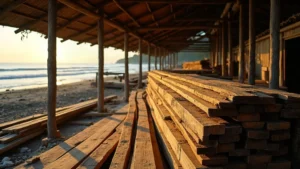
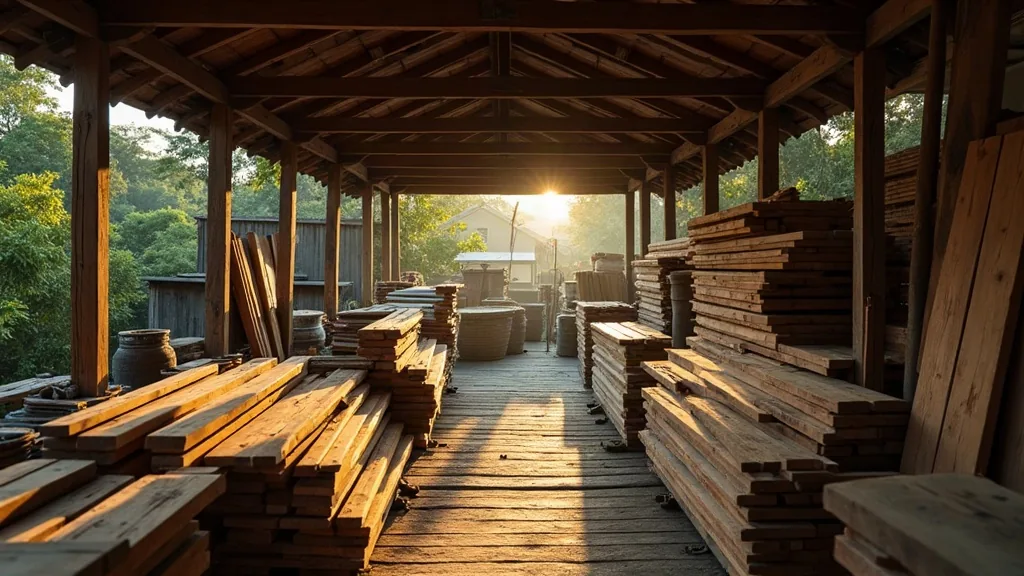
Inspect how it is stored. Off the ground, stickered for airflow, shaded from direct sun and protected from rain. Segregated by species and intended use. If the yard measures moisture content, ask to see readings. This costs the yard nothing and tells you a great deal about whether seasoning is managed or assumed.
Fastenings, dowels and consumables
Dowel stock, metal fastenings, adhesives, caulking materials and sealants should be present in quantities matching the phase about to start. These are not glamorous items and they are exactly where schedule leaks appear: a crew stops for two days because the yard ran out of the right fastening, and nobody records it as a delay.
Check that metals are appropriate and consistent. Mixed fastening types on one hull, or fastenings chosen for availability rather than compatibility with the timber, cause corrosion problems that surface years later. The specification should name the fastening type and the yard should be using it.
Long-lead equipment: order at design freeze
Main engines, generators, gearboxes, shafts, propellers, steering gear, water makers and air-conditioning plant are the items most likely to delay a build, because they are usually imported and often built to order. The right moment to order them is at design freeze, not when the hull is ready to receive them. A yard that has not placed these orders when construction begins has already introduced a risk that no amount of site diligence will remove.
Ask for the order confirmations and expected delivery dates, and keep them in the owner file. Where an item has a long lead time, discuss what happens if it slips: whether the sequence can be rearranged, whether the hull can be closed in without it, and whether an alternative is acceptable. Planning that conversation before the delay happens is what separates a managed build from a surprised one.
Coatings, and the trap of buying late
Paints, primers, varnishes and antifouling have shelf lives and application conditions. Buying them at the last moment risks both availability problems and the temptation to apply whatever is in stock rather than what was specified. Because coatings are the visible surface of the finished vessel and the first line of protection for the structure beneath, substitutions here are more consequential than they appear.
Confirm which system is specified, that it is a coherent system rather than mixed products, and that the yard understands the required surface preparation and recoat windows. A coating failure in year two is expensive, disruptive and entirely preventable at specification stage.
The material readiness check
Before the first substantial payment, walk the yard with a list and confirm five things: structural timber present and stored correctly; moisture management evident; fastening and consumable stock adequate for the coming phase; long-lead equipment ordered with dates in writing; and coating system specified and available or scheduled. Photograph what you see.
This half-day check is one of the highest-value activities in the entire build. It converts a set of promises into observed facts, and it does so at the only point when you still hold most of the money.
Stock discipline versus stockpiling
There is a difference between a yard that holds the right materials and one that simply holds a great deal of material. Large uncontrolled stockpiles of mixed timber, often uncovered, are not evidence of readiness; they are evidence of buying opportunistically without a plan for what each piece is for. That timber may be the wrong species, the wrong dimension, or too far gone to use in a structural member.
What good stock discipline looks like is modest and organised: material allocated to specific builds, labelled or physically separated, with the fast-moving consumables replenished on a schedule rather than in a panic. Ask the yard which stack is for your vessel. If the answer is a general wave at the timber yard, your build will be drawing from a common pool whose quality you cannot verify, which is worth knowing before you agree a specification that assumes otherwise.
Frequently asked questions
What if the yard says timber will arrive after the start?
Ask for the purchase confirmation, the supplier, the delivery date and where it will be seasoned and stored. A confirmed order with a credible date can be acceptable; an intention to buy timber later is a programme risk you would be funding.
Should I supply major equipment myself?
Owner-supplied equipment can save margin, but it transfers responsibility for lead times, shipping damage, customs and compatibility to you. If you do it, agree in writing who is responsible if the item arrives late or does not fit the prepared space.
How early should engines be ordered?
At design freeze, before or immediately at construction start. Imported machinery is the most common cause of a hull sitting complete but unable to progress, and it is the delay that owners have the most power to prevent simply by ordering early.
Related reading
Working with our build desk
If you are about to release a first payment, a material readiness check is the best half-day you will spend. You can reach the build desk on WhatsApp at +62 811-3941-4563 or by email at [email protected]. Construction and supervision contracts are issued by PT Komodo Galangan Nusantara; Phinisi Shipyard is a specialist maritime brand under Juara Holding Group.