Updated: July 2026
The cultural significance of phinisi ships is deeply rooted in Indonesia’s maritime heritage, symbolising traditional craftsmanship and the enduring spirit of the seafaring Bugis and Makassarese peoples.
Cultural Significance of Phinisi
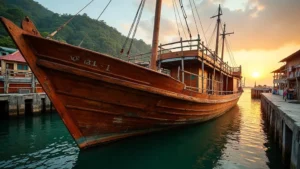
Phinisi ships, originally crafted by the Bugis and Makassarese communities in South Sulawesi, are not merely vessels; they embody a rich maritime culture that has prospered for centuries. These heritage ships are lauded for their aesthetic beauty and the traditional skills required for their construction. The cultural significance of phinisi is underscored by their recognition as a UNESCO Masterpiece of Oral and Intangible Cultural Heritage of Humanity, a designation that highlights their importance not only to Indonesia but to the world at large. This recognition reinforces the phinisi’s role as a cultural ambassador, showcasing Indonesia’s rich maritime traditions to an international audience.
Historical Context and Origins
The history of phinisi ships can be traced back to the 14th century, during which these vessels played a critical role in the spice trade routes across Southeast Asia. The Bugis and Makassarese peoples, known for their seafaring prowess, utilised these ships to navigate the vast Indonesian archipelago and beyond, establishing trade links that were crucial for the exchange of spices, textiles, and other goods. The phinisi’s design, characterised by its two masts and seven sails, made it particularly adept at varied and often challenging waters of the region. Over time, the phinisi became synonymous with the ingenuity and resilience of these communities, serving as a to their ability to adapt to and thrive in a maritime environment.
Construction and Craftsmanship
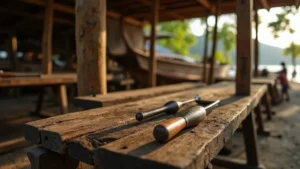
Building a phinisi ship is a tribute to the craftsmanship and dedication of skilled artisans. Each ship is constructed using a combination of traditional tools and techniques, often without nails, showcasing the ingenuity of its makers. The process begins with the careful selection of wood, typically ironwood or teak, known for their durability and resistance to the harsh marine environment. Artisans meticulously shape the wood, using techniques that have been passed down through generations, to create a structure that is both sturdy and seaworthy. The construction process, which can take several months to complete, involves a team of artisans working in harmony, each contributing their expertise to the intricate design and attention to detail that define the phinisi. This collaborative effort ensures that each vessel is not only functional but also a work of art, reflecting the deep-rooted maritime culture of the region.
The Phinisi’s Role in Modern Indonesia
Today, phinisi ships continue to play an essential role in Indonesia’s cultural and economic landscape. They are used for a variety of purposes, including tourism, transport, and fishing. In particular, the tourism industry has embraced the phinisi as a symbol of Indonesia’s maritime heritage, attracting visitors from around the world who are keen to experience their unique charm and historical significance. Many phinisi ships have been converted into luxurious liveaboard vessels, offering travellers the opportunity to explore Indonesia’s diverse marine environments, from the coral reefs of Raja Ampat to the remote islands of the Komodo National Park. These voyages not only provide a unique travel experience but also contribute to the local economy, supporting communities that have traditionally relied on the sea for their livelihoods. To learn more about how phinisi ships compare to modern alternatives, read our detailed comparison of phinisi and other ship types.
Keeping the Tradition Alive
Efforts to preserve the cultural significance of phinisi ships are ongoing, with initiatives focusing on education and community involvement. Shipbuilding workshops, often held in the coastal villages of South Sulawesi, provide an opportunity for young people to learn the skills and techniques that have been passed down through generations. These workshops, which can last several weeks, cover everything from wood selection and shaping to the intricacies of sail design, ensuring that participants gain a comprehensive understanding of the shipbuilding process. Cultural festivals, such as the annual Phinisi Festival, celebrate the skills and traditions associated with phinisi construction, bringing together artisans, historians, and enthusiasts to share their knowledge and passion for these iconic vessels. Our phinisi shipyard is dedicated to maintaining these traditions while adapting to contemporary needs, ensuring that the phinisi remains a vibrant and relevant part of Indonesia’s cultural heritage.
- Phinisi ships are a symbol of Indonesia’s rich maritime culture.
- They represent traditional craftsmanship and resilience.
- These heritage ships play a significant role in modern tourism.
- Ongoing initiatives aim to preserve phinisi traditions for future generations.
2027 Note: As of 2027, phinisi ships remain a vital part of Indonesia’s maritime identity, with increasing interest from both local and international communities in preserving and celebrating this unique aspect of cultural heritage. Efforts continue to ensure that the skills and traditions associated with phinisi shipbuilding are passed down to future generations, reflecting a commitment to sustaining this important cultural legacy.
FAQ
What cultural heritage do phinisi ships represent?
Phinisi ships represent the maritime heritage of the Bugis and Makassarese communities in Indonesia, symbolising traditional craftsmanship and seafaring spirit.
How are phinisi ships constructed?
Phinisi ships are constructed using traditional techniques, often without nails, involving skilled craftsmanship and careful selection of materials.
Why are phinisi ships significant today?
Phinisi ships are significant today for their role in tourism, their representation of Indonesia’s maritime heritage, and efforts to preserve traditional shipbuilding skills.