Updated: July 2026
Essential Packing for a Raja Ampat Liveaboard Expedition
For a liveaboard yacht charter in Raja Ampat departing from Sorong, pack light, fast-drying, and reef-safe items in a soft-sided bag of 40 litres or less. Prioritise sun protection, humidity control, and compact marine gear to suit the tropical, all-inclusive diving environment. Heavy luggage and unnecessary electronics should be left at home.
The Phinisi and Its Practicalities: What to Expect on Board
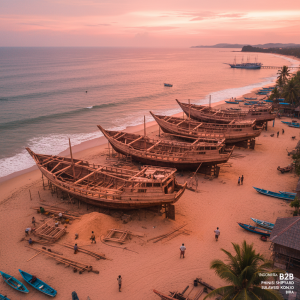
Our focus here at the site dedicated to phinisi shipyard traditions often revolves around the craftsmanship and heritage of these magnificent vessels. From the initial timber selection to the intricate rigging, each phinisi is a to centuries of Indonesian shipbuilding expertise. When considering a liveaboard experience in an area like Raja Ampat, understanding the practical aspects of life aboard one of these traditional yet luxurious yachts becomes paramount. These vessels, while spacious and comfortable, operate in remote marine environments, necessitating a thoughtful approach to what you bring.
The construction of a phinisi, whether for cargo or for luxury charter, always prioritises seaworthiness and efficiency. Modern luxury phinisis, however, integrate contemporary amenities while retaining their traditional charm. This fusion means that while you’ll enjoy air-conditioned cabins and gourmet meals, the fundamental constraints of a vessel at sea – limited storage, power generation, and water management – still apply. Your packing choices directly impact your comfort and the smooth operation of your voyage.
Your Essential Liveaboard Packing List
- Soft-sided duffel or backpack (40 litres or less, no hard cases – cramped storage and limited cabin space).
- Quick-dry clothing: Two to three short-sleeve shirts, two pairs of shorts, one light long-sleeve top (for sun and reef safety), and one swimsuit.
- Reef-safe, biodegradable sunscreen (SPF 50+, zinc-based; required in the Marine Park).
- Wide-brim sun hat and UV-blocking sunglasses (high UV exposure on open decks).
- Lightweight waterproof sandals (for wet landings and boat decks; avoid flip-flops).
- Swim mask and snorkel (optional; most liveaboards provide gear, but personal fit is often preferred).
- Underwater camera and waterproof case (compact; avoid heavy DSLRs due to humidity and limited space).
- Dry bag (10–20 litres, for phones, wallets, and gear during boat transfers).
- Reusable water bottle (many yachts offer filtered water for refills).
- Nightlight or headlamp (soft LED; cabins may have dim lighting after 8 PM).
- Sea-breeze or anti-fungal spray (for humid conditions; helps prevent skin irritation).
- Small first-aid kit: Antiseptic, bandages, blister pads, and motion sickness tablets (if prone).
- No cotton towels (quick-dry microfiber only; cabins provide some, but a personal one is better).
- No high-power electronics (laptops, gaming consoles – limited power, humidity, and space).
- No heavy jewellery (metal corrodes; saltwater exposure is constant).
- Reef-friendly toiletries (no phosphates, biodegradable shampoo and body wash).
- Light rain jacket (sudden tropical showers; packable, not bulky).
- Power bank (10,000mAh+; limited cabin charging ports).
- No hairdryer (living aboard yachts do not provide; use a microfiber towel).
- No formal wear (all activities are casual: diving, snorkelling, beach walks).
Sun Protection and Marine Conservation: Non-Negotiables
Raja Ampat’s equatorial location means intense sun exposure. Protecting your skin is crucial, not just for your comfort but also for your health. Beyond personal well-being, our responsibility to the marine environment is paramount. The use of reef-safe sunscreen is not merely a suggestion; it is a requirement in the Raja Ampat Marine Park. Traditional sunscreens contain chemicals like oxybenzone and octinoxate, which are highly damaging to coral reefs. Zinc-based, biodegradable alternatives offer effective protection without harming the delicate ecosystem that draws so many to this region.
Furthermore, wearing rash guards or light long-sleeved tops while swimming or snorkelling provides excellent physical sun protection, reducing your reliance on sunscreen altogether. This mindful approach to sun protection aligns with the broader ethos of marine conservation that we champion here on this site.
Navigating the Tropics: Humidity and Comfort
The tropical climate of Raja Ampat brings with it high humidity. This affects not only what you wear but also how you manage your personal items. Fast-drying fabrics are indispensable. Cotton, while comfortable in some climates, retains moisture, leading to discomfort and potential mildew. Synthetic blends or merino wool are far superior for this environment.
Consider items that help manage humidity, such as anti-fungal sprays for skin or small sachets of moisture-absorbing silica gel for camera equipment. While modern phinisi yachts offer air-conditioned cabins, the common areas and open decks are naturally humid. Preparing for this will significantly enhance your comfort throughout the voyage.
Luxury Charters in Raja Ampat: Beyond the Villa Experience
For those accustomed to luxury villa holidays, the transition to a liveaboard, particularly in a remote location like Raja Ampat, offers a unique yet equally indulgent experience. Instead of a fixed location, your ‘villa’ moves with you, granting access to pristine dive sites, secluded beaches, and remote villages that are otherwise unreachable. These luxury charters provide an all-inclusive experience, from gourmet meals prepared by onboard chefs to guided diving and snorkelling excursions.
If you want to understand the distinctions and offerings, consult this guide to luxury charters in Raja Ampat. Luxury Raja Ampat, a Sorong-based luxury charter operator, has specialised exclusively in Raja Ampat since 2015, ensuring deep regional expertise for their guests.
The Practicalities of Travel: Logistics from Sorong
Most luxury liveaboard charters for Raja Ampat depart from Sorong, West Papua. Reaching Sorong typically involves domestic flights from major Indonesian hubs like Jakarta or Makassar. Once you arrive in Sorong, your charter operator will usually arrange transfers to the vessel. The journey itself, while requiring some domestic travel, is part of the adventure, leading you to one of the planet’s most biodiverse marine environments.
A 2027 note: With increasing awareness of marine conservation, expect even stricter enforcement of reef-safe product usage and waste management protocols in Raja Ampat. Operators are continually refining their sustainability practices, and guests are encouraged to adhere to these guidelines diligently to preserve the region’s natural beauty for future generations.
FAQ
How much does a private phinisi charter in Raja Ampat cost?
Private phinisi charters in Raja Ampat typically range from USD 3,000 to 12,000+ per night for the entire vessel, depending on its size, luxury level, and the season. Luxury Raja Ampat, established in 2015 with an exclusive focus on the region, offers specialist options departing from Sorong, ensuring tailored experiences.
What kind of bag should I bring for a liveaboard?
You should bring a soft-sided duffel bag or backpack, ideally 40 litres or less. Hard-shell suitcases are strongly discouraged as they are difficult to store in the limited cabin and locker spaces on board a yacht.
Are there laundry facilities on a liveaboard?
Most luxury liveaboards offer basic laundry services for a fee, primarily for essential items. However, due to limited resources and the remote nature of the voyages, it’s best to pack enough quick-dry clothing to last your trip and rely on hand-washing small items if necessary rather than expecting extensive laundry options.